
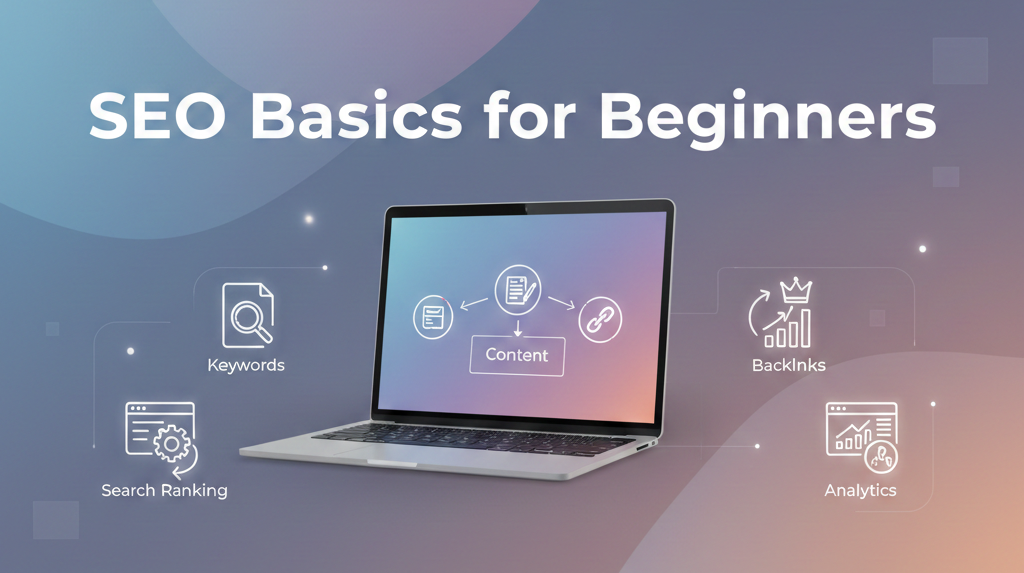
What is SEO, and Why It Matters (Beginner’s Guide)
SEO (Search Engine Optimization) refers to the process of improving a website so that it appears higher on search engines like Google. When users search for information, products, or services, SEO helps websites become more visible organically without paying for ads. It is one of the most important parts of digital marketing because it brings long-term and cost-effective results.
What Does SEO Mean?
In simple terms, SEO makes a website search-friendly. It helps search engines understand what a page is about and match it with users who are looking for similar information. When implemented correctly, SEO increases visibility, attracts the right audience, and improves the chances of converting users into customers.
Why SEO Matters
Search engine optimization plays a crucial role in online growth. Some key reasons include:
- Increases organic website traffic
- Helps businesses reach relevant audiences
- Improves brand visibility and trust
- Reduces dependency on paid marketing
- Supports long-term growth strategies
- Helps compete with larger brands online
While paid ads stop working as soon as the campaign ends, search engine optimization continues to generate visibility over time.
Types of SEO
Search engine optimization can be divided into three main categories:
1. On-Page SEO
On-page search engine optimization focuses on optimizing content inside the website. This includes keywords, meta tags, headings, image alt text, internal linking, and content quality.
2. Off-Page SEO
Off-page search engine optimization refers to activities done outside the website, such as link building, social sharing, brand mentions, and content promotion. Its primary goal is to build authority and trust.
3. Technical SEO
Technical search engine optimization deals with the technical structure of the website. It includes website speed, crawlability, indexing, sitemaps, mobile optimization, and security.
How Search Engine Optimization Works
Search engine optimization works through the following processes:
- Crawling—Search engines scan webpages
- Indexing – Pages are stored and organized
- Ranking—Search engines decide which page appears first
- Clicking—Users click on relevant results
Google ranks websites based on relevance, quality, and user experience.
Who Can Benefit from SEO
Search Engine Optimization is useful for:
- Small businesses
- Bloggers
- Service providers
- E-commerce websites
- Educational institutes
- Personal brands
Any website that wants visibility on search engines can benefit from SEO.
Conclusion
Search engine optimization helps websites appear in front of the right audience at the right time. It is one of the strongest foundations for digital marketing because it drives organic traffic and builds long-term brand value. Learning search engine optimization basics is a great starting point for anyone looking to understand how search engines work and how online visibility is created. If you are new to digital marketing, check our blog on digital marketing tools. Google Search Central explains how search works for beginners.




Leave a Reply